Vanguard Roofing has partnered with commercial building owners since 1972, and one thing hasn’t changed in all that time: roofs last longer when someone is paying attention to them.
A roof rarely fails all at once.
Small problems, a loose seam, a clogged drain, a worn patch of flashing, tend to show up quietly. Left alone, they can turn into leaks, interior damage, or an early roof replacement.
That’s the reason commercial roof maintenance services exist.
Instead of waiting for something to go wrong, a maintenance plan puts your roof on a regular inspection schedule so small issues get caught early. If you’re considering a maintenance program for your building, here’s what to expect.
What Services Are Included in Commercial Roof Maintenance?
Most commercial roof maintenance services agreements follow a similar structure.
They typically include:
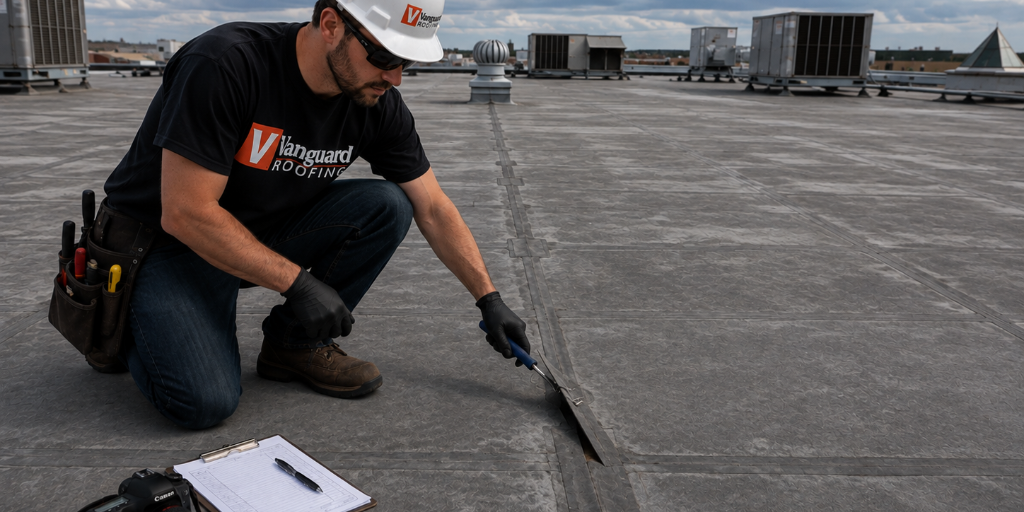
- Scheduled roof inspections
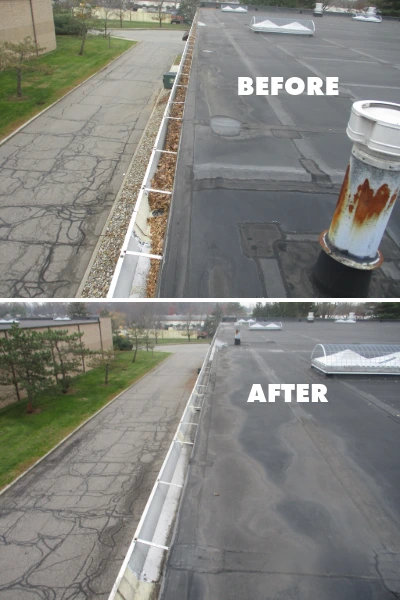
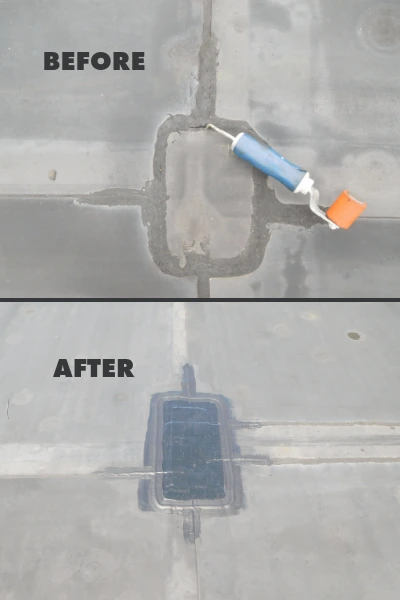
- Minor commercial roof repair, such as resealing seams or securing flashing
- Drainage and gutter checks
- Debris removal
- Written documentation of the roof’s condition after each visit, including any recommendations
- Drone inspections can be added for an additional cost
The goal isn’t just fixing what’s broken. It’s catching problems while they’re still small and inexpensive to handle.
How Do Property Managers Choose a Commercial Roofing Contractor?
The roofing contractor you choose is a decision that affects your building for years to come.
Start by asking a few direct questions:
- How long has the contractor worked in the area?
- Which manufacturers are they certified to install?
- Do they provide a written scope before work begins?
- Will they explain findings in plain language, not jargon?
A contractor who partners with you early, rather than only showing up for emergencies, will also flag future needs. Think of things like solar readiness or added HVAC access before they become urgent. Look for a provider who gives you options, not just a single fixed answer.
Do Maintenance Services Differ for Flat Roofs Versus Metal Roofs?
Yes. The system on your roof changes what a maintenance visit looks like.
Flat Roof Maintenance
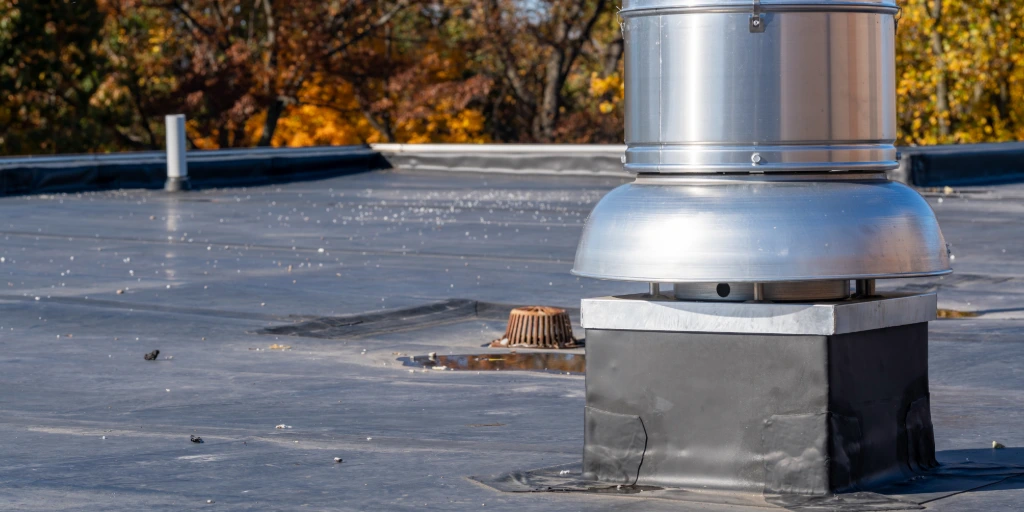
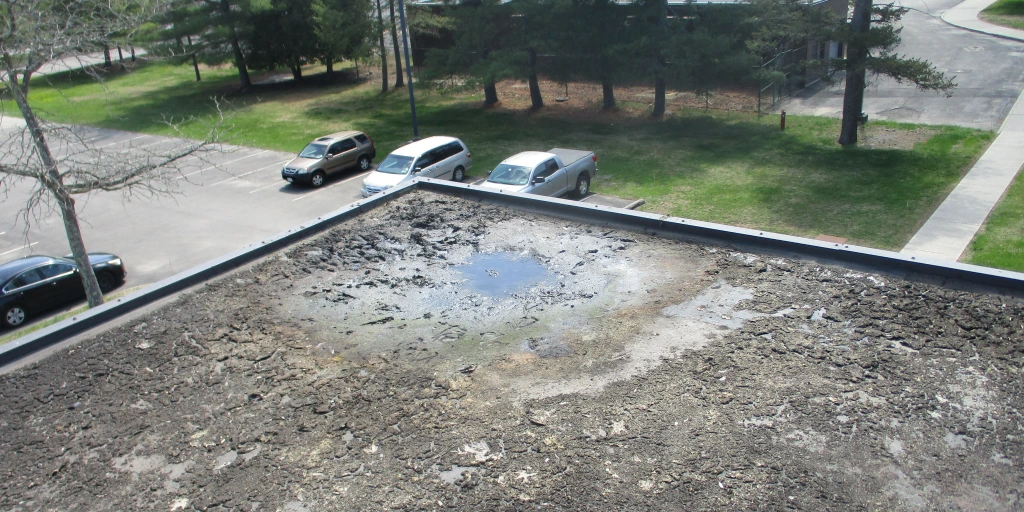
Flat roofs need regular checks for ponding water, seam separation, and blocked drains. Flat roof repair often addresses membrane punctures or worn flashing before moisture can get beneath the surface. Coatings are common here, since they protect low-slope systems from sun exposure and slow the aging process.
Metal Roof Maintenance
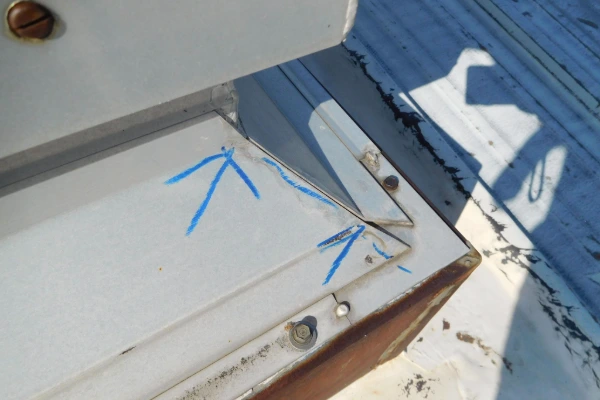
Metal roofs shed water quickly, so drainage is less of a concern. Instead, inspectors focus on fastener tightness, seam integrity, and rust or corrosion at panel edges. Panels will expand and contract with temperature swings, which can loosen connections over time.
How Often Should Maintenance Be Scheduled Each Year?
Twice a year is the standard recommendation for most commercial and industrial roofs.
A spring visit checks for any damage from winter conditions. A fall visit clears debris and confirms drainage is ready for colder months ahead.
Buildings with heavy rooftop equipment, high foot traffic, or older roofing systems may need more frequent visits. A qualified provider will build a schedule around your roof’s age, material, and how the building is used, rather than a generic template.
Are Emergency Repairs Included in a Standard Maintenance Services Agreement?
Usually not, though many providers offer priority response to maintenance customers.
A standard agreement covers planned inspections and preventive work. Emergency roof repairs, storm damage, active leaks, or equipment failure are typically billed as a separate service.
Ask your provider directly whether emergency response is included, discounted, or billed at standard rates. Knowing the answer up front means there are no surprises if an urgent issue comes up between scheduled visits.
What Happens to Roofs Without a Maintenance Plan?
With over 54 years of experience in commercial roofing, we’ve seen firsthand what happens when a roof doesn’t receive regular attention.
Over the past 30 years, Vanguard Roofing has responded to more than 8,112 leak calls from clients without a maintenance plan in place. Here’s what caused those leaks:
- 29.3% were holes, punctures, or membrane damage
- 25.5% were open seams, laps, or T-joints
- 17.5% were flashing, wall, or transition details
- 13.5% were drainage issues, including drains, scuppers, and gutters
- 14.2% miscellaneous issues
More than 39%, or 2,443 of those calls, were repeat visits. That doesn’t mean the same leak kept coming back. It means new issues keep showing up over time, and the maintenance plan is built to catch them before they turn into another call for help.
Protecting Your Roof for the Long Term
Think of a maintenance plan as insurance for your roof. It won’t prevent every issue, but it catches most of them before they become expensive.
For over 54 years and with over 19 million square feet of installed roofing, Vanguard Roofing has helped building owners and facility managers protect their roofs through proactive maintenance, quality repairs, and long-term planning.
Contact Vanguard Roofing today to schedule an inspection or to ask about a maintenance plan tailored to your building.
Next up in this series: Why Your Commercial Roof Needs Preventive Maintenance Before Winter, where we’ll cover the specific risks cold weather brings to commercial roofing systems, the inspection points that matter most before the first freeze, and how to build a pre-winter checklist that keeps small issues from turning into costly repairs once temperatures drop.