If you’re like most commercial building owners or facility managers we work with at Vanguard Roofing, your roof probably isn’t something you think about every day. As long as it’s keeping water out, it’s easy to assume everything is fine.
The problem is that commercial roofs rarely fail overnight.
Most leaks start as small issues that go unnoticed until water finds its way inside the building. By then, what could have been a simple repair may have become damaged insulation, stained ceiling tiles, disrupted operations, or even a premature roof replacement.
That’s why more businesses are investing in commercial roof maintenance programs. Instead of waiting for something to go wrong, they take a proactive approach that helps protect one of the most valuable assets on their property.
If you’re wondering whether a commercial roof maintenance program is worth the investment, here are the answers to the questions we hear most often.
What Is a Commercial Roof Maintenance Program?
Think of a commercial roof maintenance program as a plan for staying ahead of problems instead of reacting to them.
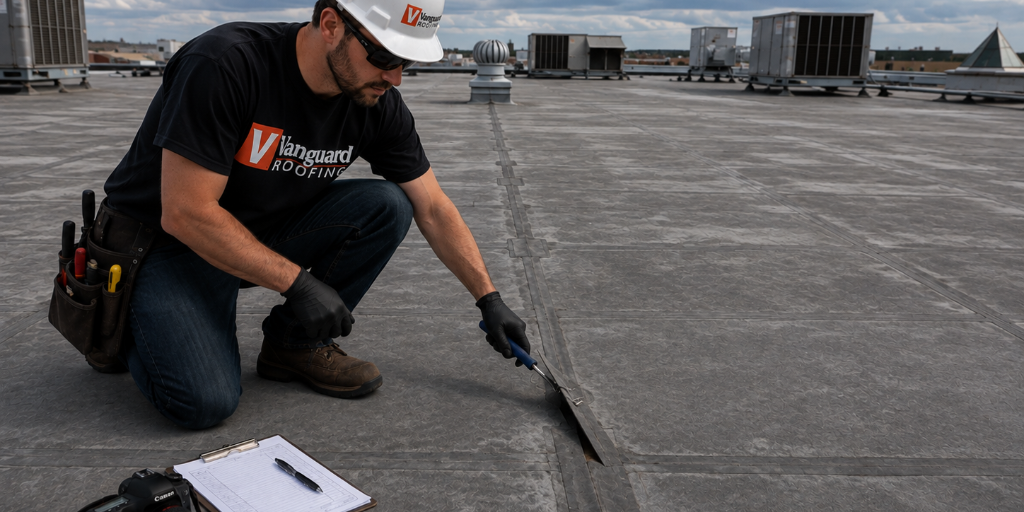
Rather than waiting until you discover a leak, your roof is inspected on a regular schedule so small issues can be identified and corrected before they become expensive repairs.
Most maintenance programs include scheduled roof inspections, minor preventative repairs, documentation of the roof’s condition, and recommendations for future repairs or budgeting.
The goal isn’t simply to fix leaks.
It’s to keep them from happening in the first place.
In the same way routine maintenance helps extend the life of your vehicle, regular roof maintenance helps your roofing system perform as it was designed to for as long as possible.
Why Is a Commercial Roof Maintenance Program Worth the Investment?
Many building owners ask a fair question:
“If my roof isn’t leaking, why should I spend money on maintenance?”
The answer is that you’re protecting your investment.
A commercial roof is one of the largest and most expensive components of your building. Replacing it is a significant capital expense, so getting the longest possible service life from your existing roof simply makes good business sense.
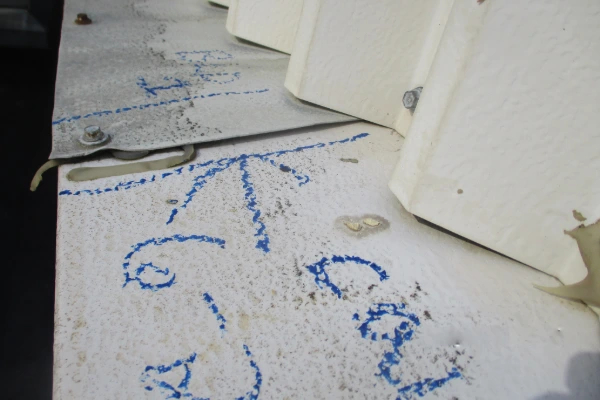
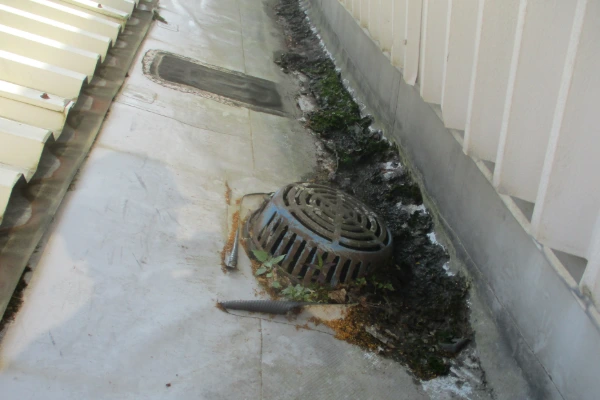
Small issues like loose flashing, a clogged drain, or an open seam may not seem urgent today. But left alone, they can allow moisture to enter the roofing system and gradually create much larger—and much more expensive—problems.
A maintenance program helps catch those issues while they’re still small, helping you avoid surprises later.
How Does Roof Maintenance Save Money?
It’s easy to think of roof maintenance as another expense.
In reality, it’s often one of the least expensive ways to avoid much larger roofing costs.
Finding and repairing a small problem today is almost always less expensive than dealing with the damage it causes months later.
Routine maintenance can help prevent:
- Emergency leak repairs
- Interior water damage
- Wet insulation
- Mold and moisture problems
- Damage to equipment or inventory
- Business interruptions
- Premature roof replacement
The need for emergency repairs rarely happens at a convenient time. They often occur during severe weather or after the damage has already spread.
Preventative maintenance helps reduce those unexpected costs by keeping small problems from becoming major ones.
What Happens If You Skip Roof Maintenance?
Most commercial roofs don’t suddenly start leaking.
Problems usually begin small.
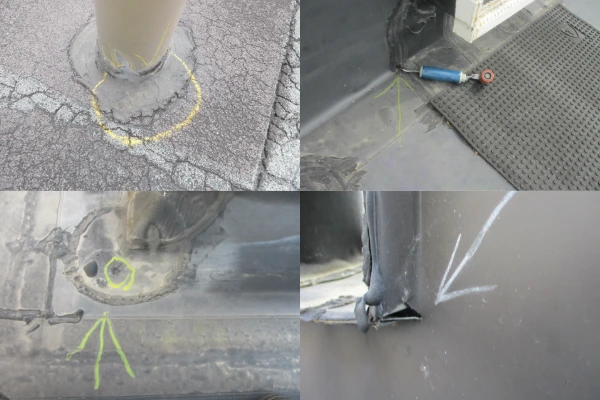
A seam starts to separate.
Flashing begins to loosen.
A drain becomes clogged.
The sealant starts to crack.
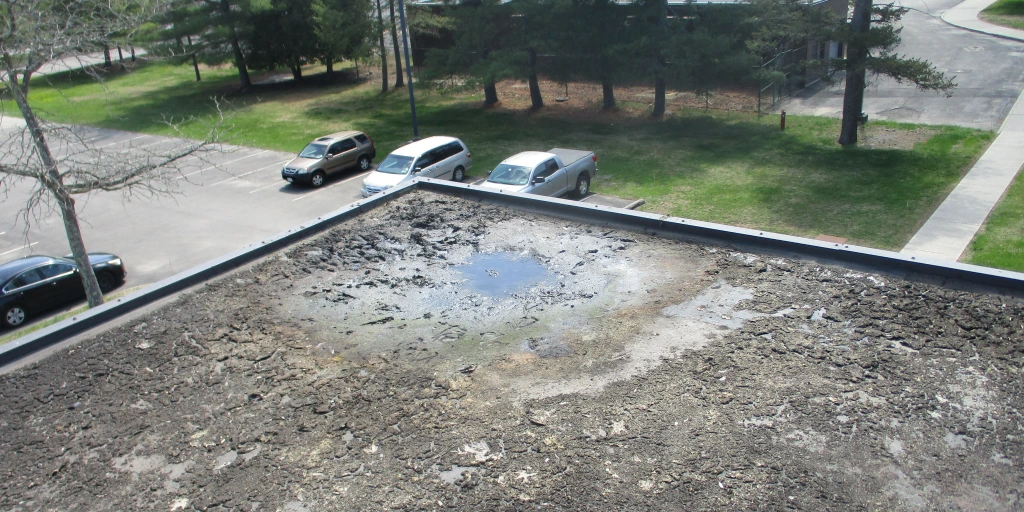
None of these issues may cause an immediate leak, but over time, they allow moisture to work its way into the roofing system.
Eventually, that moisture reaches the insulation, the roof deck, or the interior of the building.
By then, you’re often repairing much more than the roof itself.
Water intrusion can damage ceiling systems, offices, equipment, inventory, and tenant spaces, and disrupt normal business operations.
The longer a roofing problem goes unnoticed, the more expensive it usually becomes.
Can a Commercial Roof Maintenance Program Extend Roof Life?
Yes—and that’s one of the biggest reasons building owners invest in maintenance.
Commercial roofing systems from manufacturers like Carlisle, Duro-Last, Johns Manville, and Silka are designed to provide decades of service when they’re properly maintained.
Like any building system, though, normal wear and weather take their toll over time.
Routine maintenance helps identify those signs of wear early so they can be addressed before they affect the performance of the entire roofing system.
Even extending the life of a commercial roof by just a few years can delay a major capital expense and significantly improve the return on your roofing investment.
Does Roof Maintenance Help Protect Manufacturer Warranties?
In many cases, yes.
Many commercial roofing manufacturers expect building owners to maintain their roofing systems throughout the warranty period.
Ignoring maintenance or allowing known problems to go unrepaired may affect warranty coverage.
A documented maintenance program creates a record showing your roof has been professionally maintained and inspected. If a warranty issue ever arises, having that documentation can be extremely valuable.
How Does a Maintenance Program Help Facility Managers Plan and Budget?
One benefit that’s often overlooked is how much easier maintenance makes budgeting.
Instead of waiting for an unexpected leak to force an emergency repair, facility managers receive regular updates on the condition of their roof.
With these insights, you will be able to:
- Get ahead of repairs before they become urgent
- Budget accurately for future upgrades
- Map out maintenance projects
- Cut down on sudden emergency costs
- Make smart, data-driven decisions using actual, documented roof conditions
For organizations managing multiple buildings, having that information can make annual budgeting much more predictable.
Is a Commercial Roof Maintenance Program Worth It?
For most commercial buildings, the answer is yes.
A maintenance program helps protect far more than the roof itself.
It helps protect your building, employees, tenants, equipment, inventory, and budget.
The cost of routine maintenance is typically small when weighed against the potential expense of emergency repairs, interior damage, business interruptions, or replacing a roof years earlier than expected.
Instead of reacting to roofing problems after they happen, you’re taking steps to help prevent them.
That’s a smart investment for any commercial property.
Protect Your Commercial Roofing Investment
Your roof works hard every day, even though it’s probably one of the least visible parts of your building.
Think of a commercial roof maintenance plan as insurance for your building. It protects your biggest investment, stops sudden leaks before they start, and adds years to your roof’s life span.
For over 54 years and with over 19 million sq ft of installed roofing, Vanguard Roofing has helped commercial building owners and facility managers protect their roofs through proactive maintenance, quality repairs, and long-term planning.
Next up in this series: What to Expect from Professional Commercial Roof Maintenance Services, where we’ll explain what happens during a maintenance visit, what contractors inspect, and what you should expect from a professional maintenance program.