One of a commercial building owner’s most valuable assets is the roof over their head, and Vanguard Roofing has more than 5 decades of inspecting and maintaining commercial and industrial roofs across the Northeast. We’ve learned that many winter roof issues don’t begin in the winter. They start with conditions already present in the fall. You already know that a roof works hard every day, often without much attention until something goes wrong. Before winter arrives, that lack of attention can turn into a costly problem. Cold temperatures, snow loads, and ice accumulation put extra stress on a roofing system that may already have small, unnoticed issues. A commercial roof maintenance plan put in place before the season changes gives you the chance to catch those issues while they are still manageable. This guide walks through what happens when maintenance is skipped, how a proactive approach protects your investment, and when to schedule an inspection to keep your building protected through the coldest months of the year.
What Happens When You Skip Preventive Maintenance
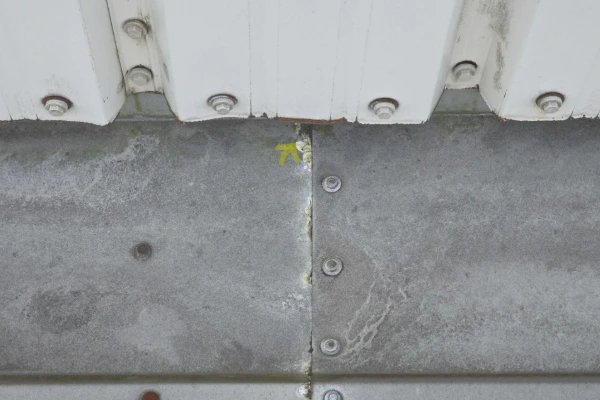
A commercial roof rarely fails without warning. Problems usually start small: a loose seam, cracked sealant, or a clogged drain. Left unaddressed, these small issues allow moisture to work into the roofing system, damaging insulation and the roof deck below. By the time water reaches the interior of the building, repair costs have grown significantly.
Skipping maintenance also means missing signs of wear before winter weather arrives. Freezing temperatures expand existing cracks and gaps, turning a minor issue into a leak once snow begins to melt. A roof that goes unchecked heading into winter is far more likely to develop problems when conditions are at their worst.
How Preventive Maintenance Reduces the Risk of a Costly Replacement
Preventive inspections and maintenance can’t prevent replacement, but they can prevent minor defects from developing into widespread damage that shortens the lifespan. Regular inspections catch small problems, such as damaged flashing or an open seam, before they spread and compromise the roofing system.
A documented maintenance plan also gives facility managers a clear picture of the roof’s condition over time. Instead of reacting to a sudden leak, you can plan repairs on your schedule and within your budget. Extending the service life of an existing roof by even a few years delays a major capital expense and improves the return on your original roofing investment.
What Vanguard Finds On Pre-Winter Inspections
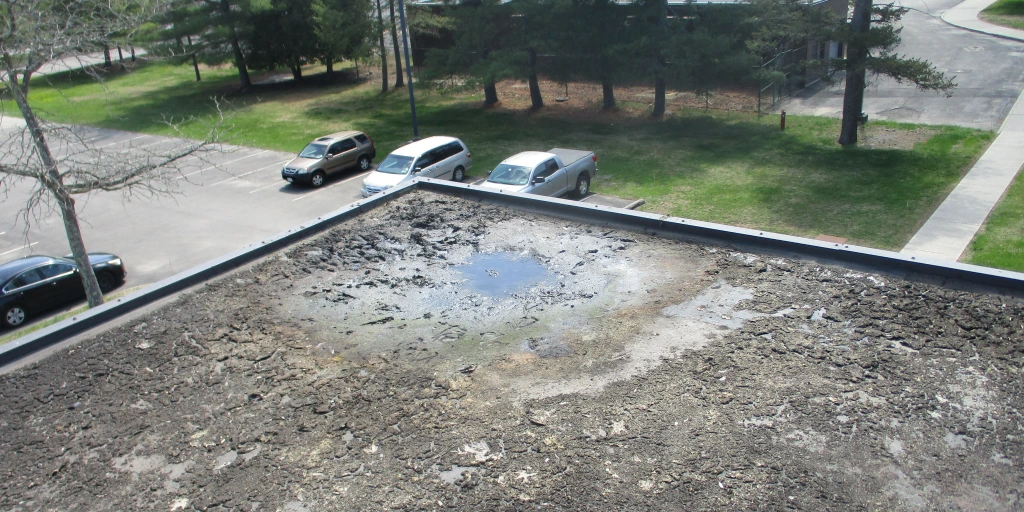
In a breakdown of 742 inspections, 56% have punctures in the roof field, 54% have coping issues, 43% have debris on the roof, 40% have damaged pipe boots on vent/stacks, 35% have damaged curbs, 31% have ponding water, and 15% have open laps/seams.
| ROOF CONDITION | WHY IT MATTERS BEFORE WINTER | TYPICAL NEXT STEPS |
|---|---|---|
| Membrane Puncture | Direct route for moisture | Patch using appropriate material |
| Coping Issues | Wind can work behind and pull membrane away | Refasten or Replace |
| Debris | Can block drainage | Remove |
| Damaged Pipe Boot | Common leak penetration source | Repair or Replace |
| Damaged Curbs | Water can enter the roof assembly | Repair loose flashings or counterflashings |
| Ponding Water | May indicate clogged drains or slope issue | Clear drains or correct slope |
| Open Laps/Seams | Water can get underneath the roofing membrane, or metal | Repair or reseal |
When Is the Best Time to Schedule a Preventive Inspection?
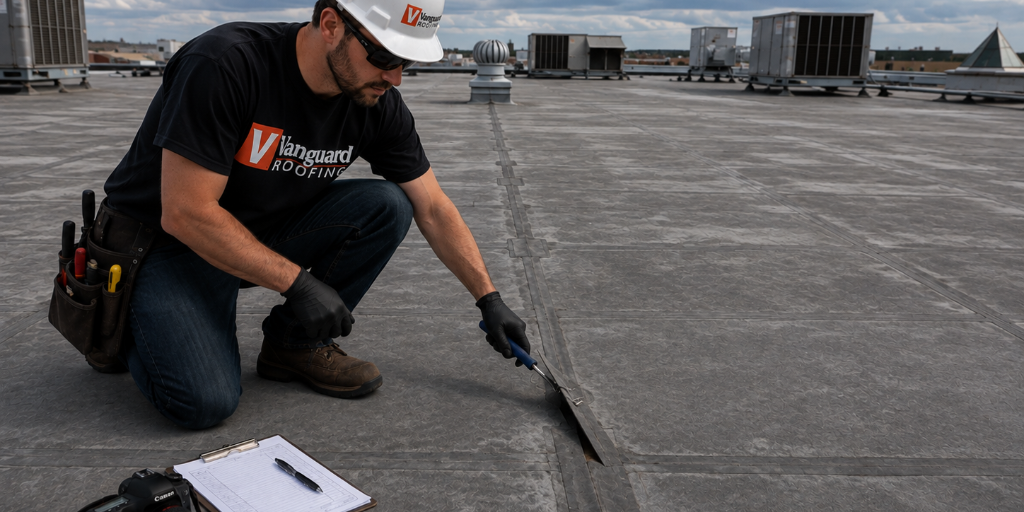
For Commercial buildings across Connecticut, Western Massachusetts, Northern New Jersey, and Southern New York, fall is one of the most important times to inspect your roof. Cooler temperatures make it easier to identify problem areas, and any repairs can be completed before snow and ice put additional stress on the roofing system. Waiting until winter arrives limits the repair work you can do safely and effectively.
An inspection before winter should check for damaged flashing, deteriorated sealant, clogged drains, and signs of ponding water, before the snow and ice and freeze-thaw cycles make them harder to repair. Drains and gutters need to be clear so melting snow has somewhere to go. Addressing these items early reduces the odds of an emergency call once temperatures drop.
Does Preventive Maintenance Help You Avoid Emergency Repair Calls?
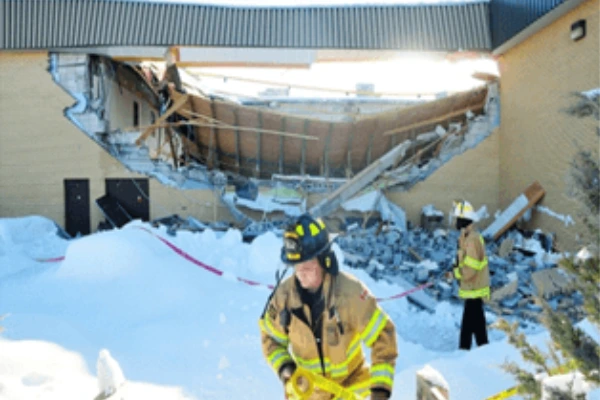
Yes. Most emergency roof repairs happen because a small issue was never caught or corrected. A clogged drain that overflows during a storm or a seam that finally gives way under the weight of snow is the kind of problem a maintenance program is designed to catch before it escalates.
Emergency repairs rarely happen at a convenient time. They often occur during a storm or immediately after, when contractors are in high demand and building operations are already disrupted. A commercial roof maintenance plan puts your building ahead of that curve. Instead of reacting to a leak in the middle of a snowstorm, you already know the condition of your roof and have addressed the issues that could have caused a failure in the first place.
Skipping Roof Maintenance May Void a Commercial Roof Warranty
Many commercial roofing manufacturers, including Carlisle®, Duro-Last®, Sarnafil®, Johns Manville®, and Elevate®, expect building owners to maintain their roofing systems throughout the warranty period. Skipping maintenance or allowing known issues to go unrepaired can affect that coverage.
A documented maintenance program provides a record that you’ve had your roof professionally inspected and maintained. If a warranty claim ever becomes necessary, that documentation can make the difference between a covered repair and an unexpected expense. Keeping up with routine maintenance protects both the physical roofing system and the financial protection your warranty was designed to provide.
Preparing for Snow and Ice Before Winter Arrives
Commercial and flat roof snow removal are two of the most common services building owners need once winter sets in. Heavy snow accumulation adds significant weight to a roofing system, and if drainage is already compromised, melting snow has nowhere to go but inside the building.
Clear Drains and Gutters
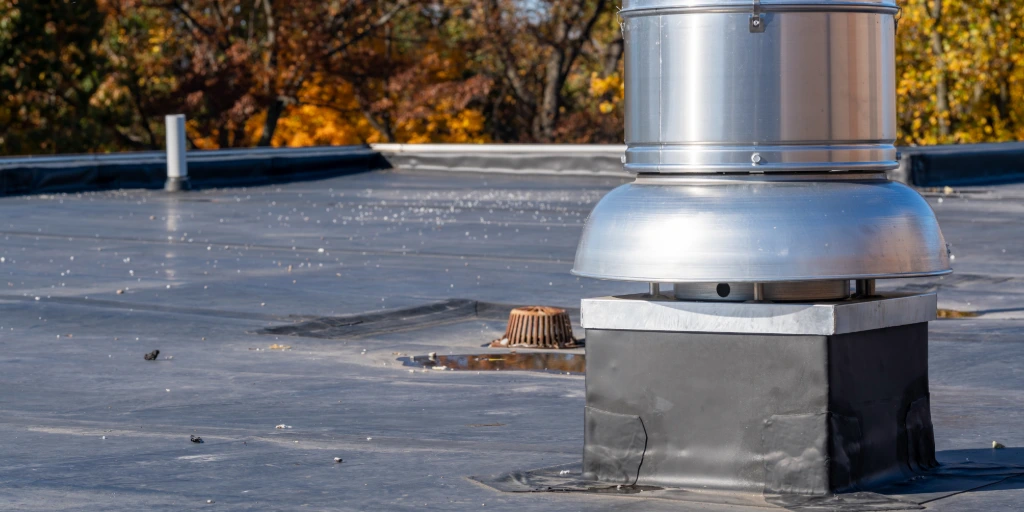
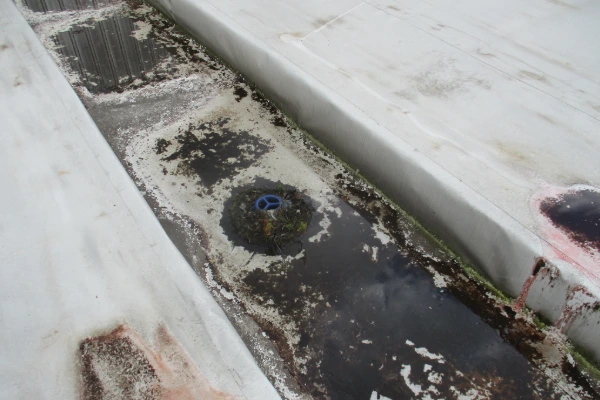
Drains, scuppers, and gutters need to be free of debris before the first snowfall. A blocked drainage system turns melting snow into standing water, increasing the load on the roof and raising the risk of leaks.
Plan for Roof Snow and Ice Removal
Building owners in areas with heavy snowfall should have a plan for roof snow and ice removal in place before winter begins. Waiting until snow has already accumulated makes timely removal more difficult.
Building a Commercial Roof Maintenance Plan That Works
A strong commercial roof maintenance plan includes scheduled inspections, minor preventative repairs, and documentation of the roof’s condition after every visit. This information helps facility managers budget for future repairs or a roof replacement long before it becomes an emergency.
Working with an experienced commercial roofing contractor also means having a partner who understands your specific roofing system, materials, and service area. Vanguard Roofing has installed more than 19 million square feet of roofing across Connecticut, Massachusetts, New Jersey, and New York, giving building owners in those areas a trusted resource for keeping their roofs performing through every season.
Protect Your Commercial Roof This Winter
Preventive maintenance can’t eliminate every roofing problem, but it gives building owners and facility managers something far more valuable than waiting for a leak to appear. You know what condition the roof is in, what needs attention now, and what may need to be budgeted for later.
Don’t wait for the first snowstorm to find out what your roof needs this fall. Contact Vanguard Roofing today to schedule a preventive inspection and get your commercial roof ready for winter.